Entrepreneurial platform
ArK Plus GmbH
The starting point for investment and development activities, combining entrepreneurial experience, strategic projects and long-term investments.

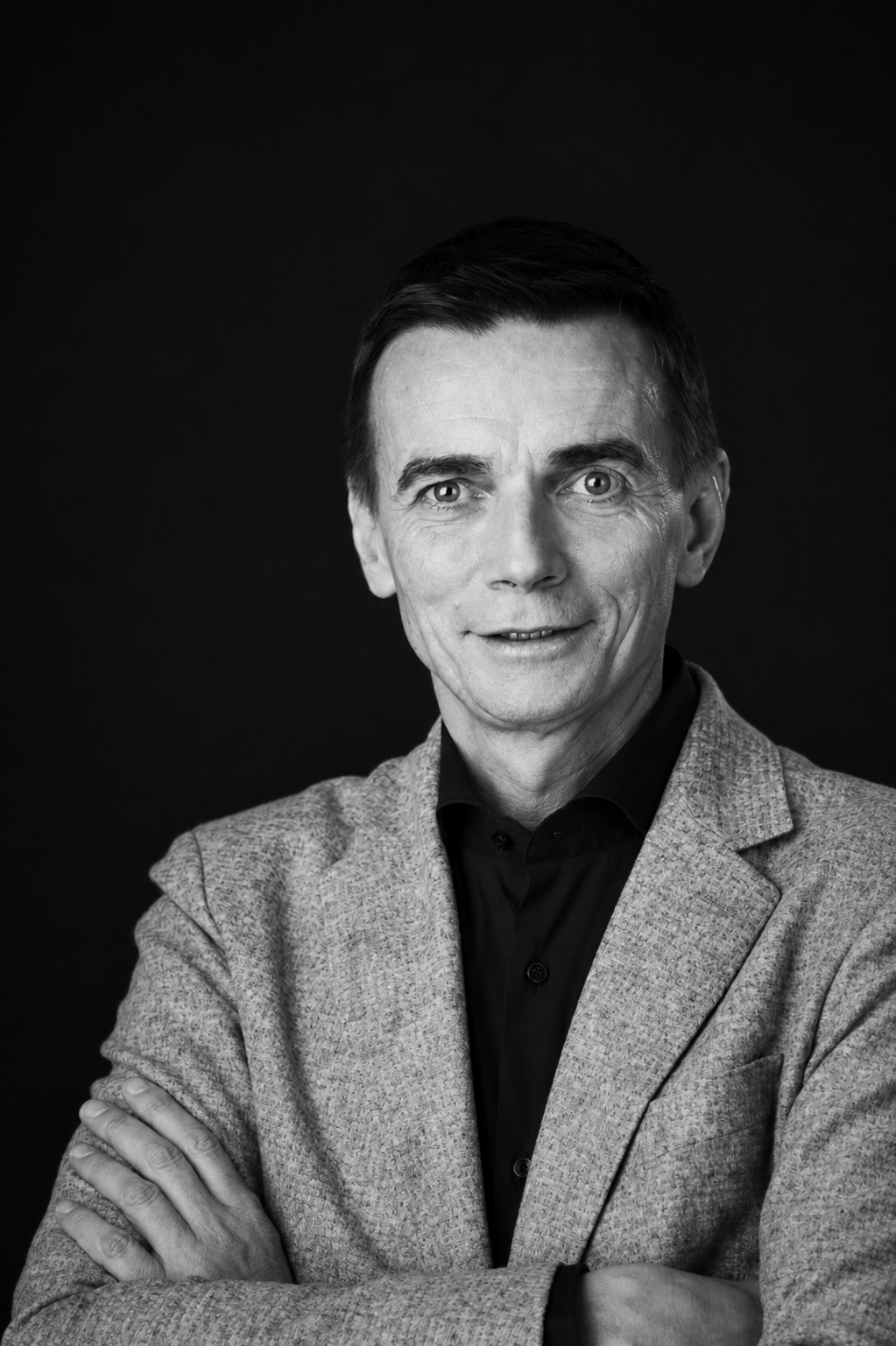
My entrepreneurial mindset has been shaped by very different worlds: corporate experience, technology and entrepreneurship – but also by my time as a naval officer.
For me, it means taking responsibility, providing direction and making decisions even when not every variable is known.
I stand on the bridge with my crew and lead through example, transparency and clarity.
This mindset continues to shape my work as an entrepreneur and investor today.
Not advisory work from a distance, but entrepreneurial engagement with structures, business models and development opportunities.
Identifying companies, recognising potential and developing businesses with a long-term perspective.
Clarifying responsibilities, enabling decision-making and implementing change with consistency.
Digital payment methods, SEPA, complex B2B business models and technology platforms.
Making enterprise value visible and creating strategically relevant connections.
Every engagement needs a clear role, a compelling development thesis and concrete next steps.
The starting point for investment and development activities, combining entrepreneurial experience, strategic projects and long-term investments.
The strategic and organisational framework for long-term business development and the activities of the Arkarius Group.
An established Berlin-based payment service provider focused on bank-based payment methods and SEPA solutions.
The Swiss company within the Micropayment Group.
Development, operation and commercialisation of software and technology platforms for digital business models.
Holding company shares that may be used for employee and management participation programmes.
For most of my professional life, I was an employee. In 2015, I decided to change that fundamentally.
I founded ArK GmbH Marketing. From that point on, decisions became immediate – for me, my clients and later my employees.
Self-employment led to advisory mandates with growing entrepreneurial responsibility – ultimately including a board mandate. The next step was a logical one: not only to advise and participate in decisions, but to become an owner myself.
Acquiring a significant stake was not a comfortable investment process. Without substantial personal wealth, it required maximum commitment – financially, in terms of time and emotionally. The path to full ownership was lengthy, conflict-ridden and demanding.
This experience shapes my understanding of ownership: responsibility and the ability to make decisions belong together. Clear ownership structures give me the freedom to think long term and pursue an entrepreneurial vision consistently.
But my approach is not limited to acquisitions. I have also founded new companies. They are part of one coherent plan: develop what already exists, create what is new and build a strategically connected portfolio of companies.
That is why operational proximity is natural to me. I do not want to manage my companies from a distance. I want to understand what drives them and shape their future together with the people inside them.
Every step in my journey has meant taking on more responsibility. That, to me, is entrepreneurship.
Payments are changing fundamentally.
Cash is becoming less important in many areas, digital payment methods are becoming the norm and real-time payments are creating new expectations around speed and availability.
This development will continue.
In digital business models, payment is no longer merely the final step of a purchase. It is becoming part of the product itself. How simple, fast and reliable a payment works affects customer experience, processes, costs – and therefore commercial success.
I see particular relevance in SEPA and Instant Payments. Europe has a powerful payment infrastructure of its own. With real-time payments, this can become far more than an alternative to cards or wallets.
Payments can be connected directly with digital processes and automated. This creates new opportunities for platforms, digital services, companies and the public sector.
For me, the decisive question is therefore shifting:
No longer simply “How does a company accept payments?”
But: “How can payment make the business model better?”
Digital payments will continue to gain importance.
Payment is infrastructure. And infrastructure is strategic.
Transformation is often equated with new systems, automation or AI.
For me, it starts earlier.
With the willingness to question what already exists – and, when necessary, to slaughter sacred cows.
Companies do not change simply because a new technology is introduced. They change when responsibilities are clarified, decisions are made and structures are adapted.
Technology can accelerate this process. It can simplify, automate and create new possibilities. But it cannot resolve unclear responsibilities, a lack of leadership or an organisation that clings to old routines.
The real challenge is usually different: implementing change without losing operational stability.
Established companies in particular have to achieve both at the same time. Day-to-day operations must continue to work while processes, products and structures evolve.
That requires clarity on three things:
What needs to change? Who takes responsibility? And which decisions can no longer be postponed?
Only then does technology come into play.
Transformation begins with mindset and the ability to make decisions. Technology makes it faster.
I am interested in people who think long term, turn ideas into action, take responsibility and bring meaningful entrepreneurial perspectives to the table.
Investments · Payments & SEPA · digital infrastructure · strategic partnerships · transformation · governance
Start a conversation →